%20copy.png)
How Generate Agency shifted Smoom from retargeting existing customers to scalable new customer acquisition
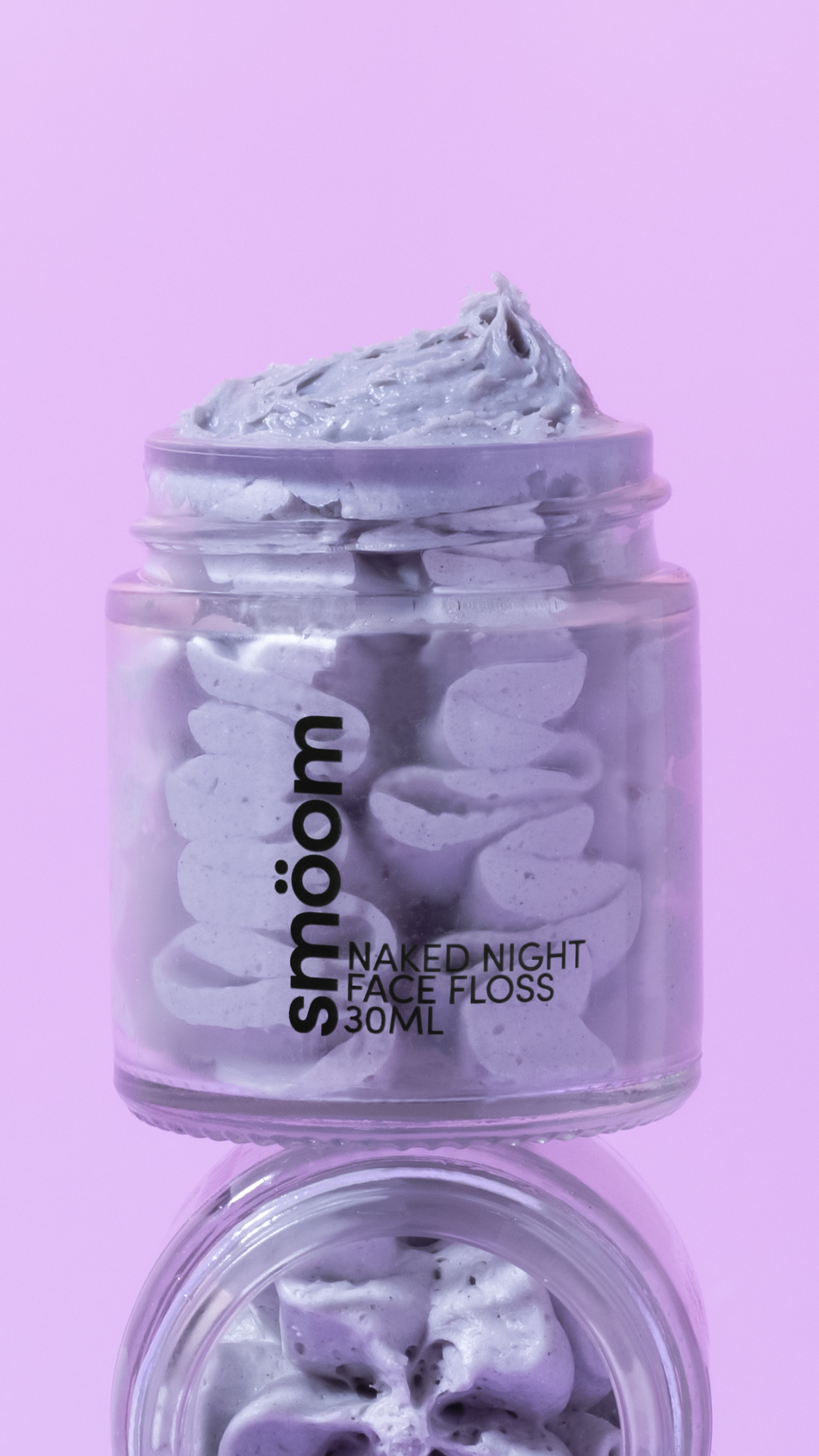
Smoom is a UK natural skincare brand with strong customer loyalty and high repeat purchase behaviour. Generate Agency rebuilt its Meta and Google Ads structure to isolate new customer acquisition from returning buyers. This allowed the brand to scale cold acquisition profitably at over 2x ROAS, generating 514 purchases in 15 days while maintaining efficiency above a 1.2x breakeven threshold.
OUR RESULTS

THE PROBLEM
Smoom had strong customer loyalty and high repeat purchase rates, which created a hidden problem in paid media performance. Without strict audience separation, Meta campaigns were repeatedly serving existing customers who would have purchased again organically. This inflated ROAS while masking weak new customer growth. The real challenge was not profitability, but ensuring paid ads were acquiring genuinely new customers rather than recycling existing demand.
WHAT WE DID
1. Built strict exclusions to remove existing customers from acquisition campaigns
Customer lists and purchase data were used to exclude returning buyers from cold campaigns, ensuring Meta focused on new customer acquisition only.
2. Structured cold prospecting around high-intent lookalike audiences
Lookalike audiences were built from high-value customers, combined with interest targeting around natural skincare, vegan beauty and clean ingredients.
3. Separated retargeting into its own controlled structure
Retargeting was split from prospecting so that warm traffic and new customer acquisition were measured independently.
4. Defined Google as high-intent capture only
Google was limited to search-driven intent such as brand and category queries, capturing demand generated elsewhere rather than attempting broad acquisition.
5. Concentrated Meta spend on scalable cold acquisition
Budget was directed toward cold audience expansion, ensuring acquisition scaled while staying above breakeven efficiency.
.png)
THE RESULTS
Acquisition performance
- 514 total purchases in 15 days
- 34 average daily purchases
- 2.32x blended ROAS
Meta performance
- Peak weekly ROAS: 2.56x
- Lowest weekly ROAS: 2.54x
- Stable performance across scaling spend
Google performance
- Peak ROAS: 24.67x
- Efficient capture of high-intent search demand
- Consistently profitable across all tracked periods
Cost efficiency
- Blended CPA: £11.22
- Breakeven CPA: £12.00 equivalent threshold (derived from 1.2x ROAS)
- Consistently profitable acquisition across both channels
FAQs
Why is high repeat purchase rate a problem for paid ads?
Because platforms optimise toward easiest conversions, which are often returning customers unless explicitly excluded.
How do you separate new customers from returning buyers?
By building strict audience exclusions using customer lists and isolating cold acquisition campaigns from retargeting.
Why does Meta need exclusions to work properly?
Without exclusions, Meta will prioritise existing customers who convert more easily, distorting acquisition performance.
Why is Google ROAS so high but not scalable?
Because it captures a limited pool of high-intent searches, which cannot scale without lowering keyword quality.
What is the key metric for growth in this setup?
New customer acquisition efficiency, not blended ROAS.
READY FOR PREDICTABLE, PROFITABLE GROWTH?
VIEW MORE CASE STUDIES
.png)