%20copy.png)
How Generate Agency protected Nevernot's branded search from stockist competition and found an untapped growth category in the process
Nevernot is a German intimate wellness brand that was losing branded search traffic to stockists like dm.de and Amazon. Generate Agency restructured their Google Ads strategy, prioritising branded search protection and separating performance channels. This prevented loss of high-intent traffic and uncovered a high-converting foam category through Performance Max campaigns, improving ROAS and unlocking new customer acquisition efficiency.
OUR RESULTS

THE PROBLEM
Nevernot had strong consumer awareness and growing branded search demand, but that demand was being intercepted by stockists like dm.de and Amazon. In roughly one in five branded searches, users were seeing a retailer before the brand itself. This created a direct revenue leak. High-intent users who had already decided to buy Nevernot products were being diverted to third-party platforms, where Nevernot lost margin and customer data. At the same time, the brand needed to scale acquisition and hit a 3x ROAS target. Without fixing branded search first, any scaling would be inefficient, because the strongest converting traffic was being captured elsewhere.
WHAT WE DID
1. Prioritised Branded Search before scaling acquisition
We allocated initial budget to branded search to capture existing high-intent demand. These users had already made the purchase decision, so protecting them became the first priority before any new acquisition spend.
2. Secured top-of-page dominance against stockists
We built a branded campaign designed to consistently outrank dm.de and Amazon. This included bidding across all brand variants and structuring ads to maintain absolute top-of-page positioning.
3. Separated branded from Performance Max with exclusions
All brand terms were excluded from PMAX to avoid internal competition. This ensured branded traffic went through the most efficient campaign rather than being served at higher PMAX costs.
4. Used PMAX to identify untapped category demand
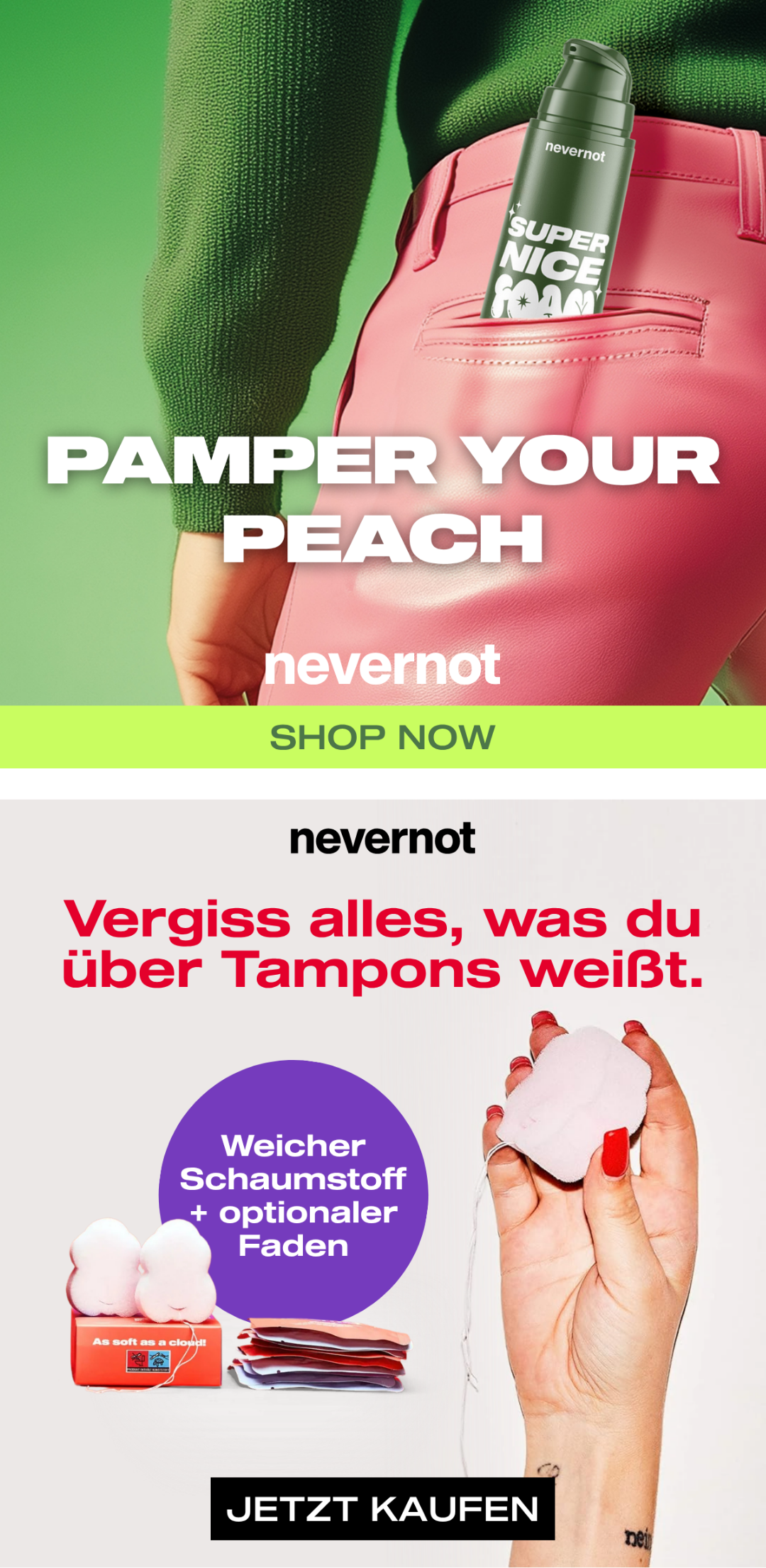
With branded protected, PMAX was used purely for discovery. This revealed strong demand for foam-based hygiene alternatives, with high conversion rates across generic category searches.
5. Improved PMAX targeting with audience signals and creative refinement
We added first-party audience signals, refreshed creative for high-performing categories, and removed irrelevant search terms. This improved efficiency and helped PMAX focus on high-intent users.
THE RESULTS
.png)
Revenue growth and efficiency
- 2.57x overall account ROAS across the period
- 1.68x ROAS from PMAX on cold audiences
- 19.8x ROAS on exact brand term
Branded search performance
- 25.14% CTR on branded search
- €0.56 average CPC
- 81.80% absolute top-of-page rate
- 86.74% top-of-page rate overall
Category and discovery performance (PMAX)
- Softtampons category: 9.53% conversion rate, 11.3x ROAS
- Foam-related searches: up to 33.33% conversion rate, 15.1x ROAS
- Wet wipe alternative searches: 15.38% conversion rate, 6.2x ROAS
Competitive positioning
- 13.27% PMAX impression share (highest in auction)
- Ahead of dm.de (11.59%) and Amazon (10.43%)
FAQs
Why is branded search protection important?
Because competitors and retailers often bid on brand terms. Without protection, high-intent users are diverted away from the brand to stockists like Amazon or dm.de.
Does bidding on your own brand improve performance?
Yes. It ensures the brand captures the highest intent traffic and prevents competitors from appearing above organic listings in key auctions.
What is Performance Max used for in this strategy?
PMAX was used purely for new customer acquisition and category discovery, rather than branded traffic, which was fully protected elsewhere.
Why was the foam category important?
It revealed a low-competition, high-conversion demand segment for toilet paper foam alternatives, with strong ROAS and clear purchase intent.
How do you stop campaigns competing with each other?
By excluding brand keywords from PMAX, ensuring branded search and acquisition campaigns serve separate roles without cannibalisation.
READY FOR PREDICTABLE, PROFITABLE GROWTH?
VIEW MORE CASE STUDIES
.png)